

Finance
Oil prices fall as market anticipates supply surplus
Oil prices fall as recovering Middle Eastern exports and weaker Chinese refinery demand raise expectations of a global supply surplus.

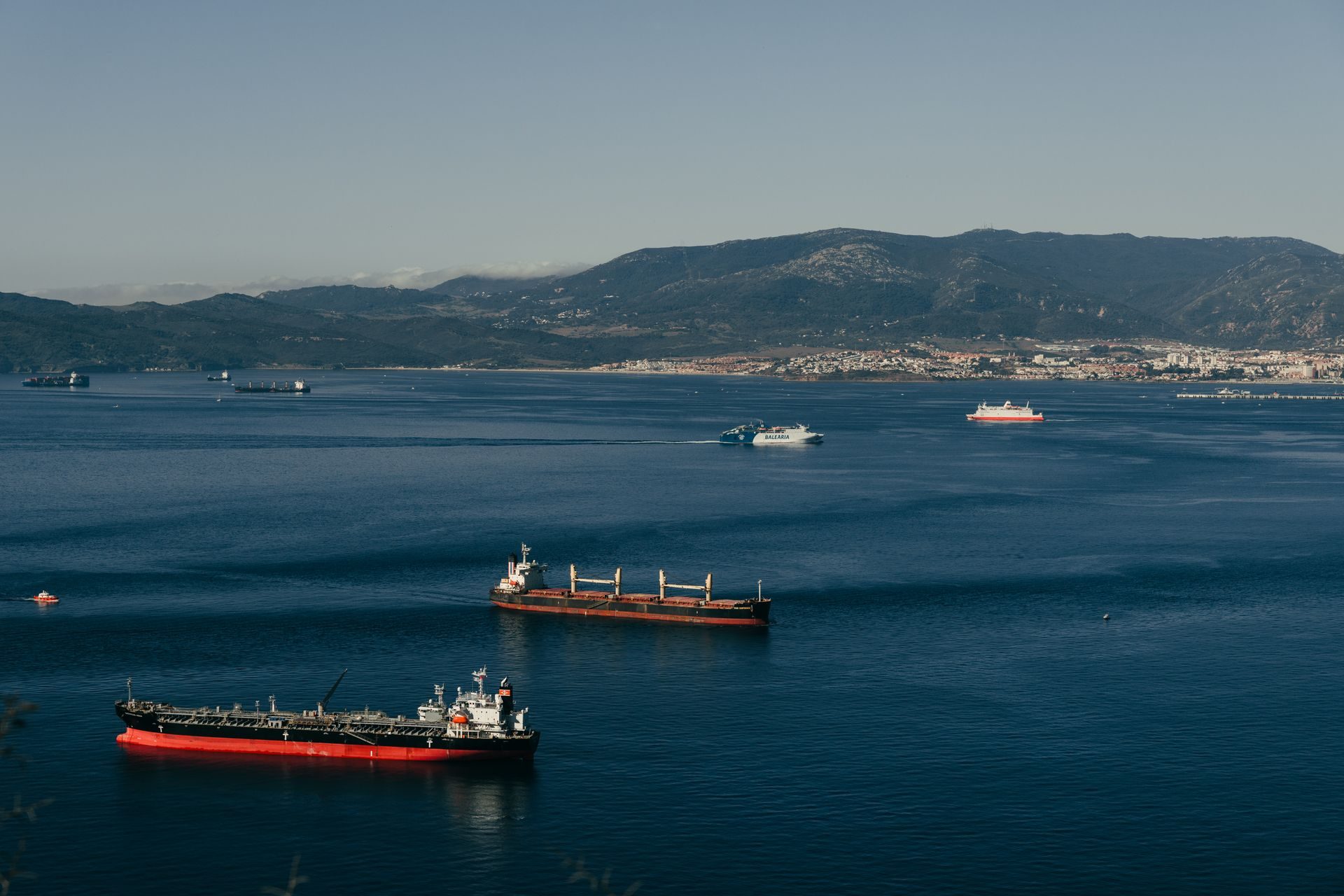
Oil prices declined during Asian deals on Monday as expectations of a global supply surplus weighed on the market, with crude shipments through the Strait of Hormuz recovering to almost pre-war levels and falling Chinese refinery throughput pointing to weaker demand.
By 4 pm AEDT (5 am GMT), Brent crude futures had fallen 56 cents, or 0.6%, to US$95.28 per barrel, while US West Texas Intermediate (WTI) crude futures slipped 23 cents, or 0.3%, to US$88.33 per barrel.
Both benchmarks settled lower on Friday as traders assessed signs of easing geopolitical risks surrounding the US-Israeli war against Iran, now in its ninth month. Brent and WTI had fallen 16% and 13%, respectively, over the previous week.
ANZ analysts commented in a note to clients:
“Crude oil ended the week lower as the market faced conflicting signals on the trajectory of peace talks in the Middle East. The Democrat sweep of the US midterms elections raised the prospect that the Trump administration would be forced to pullback from its threats to launch fresh attacks on Iran.
“The elections also appeared to trigger a new wave of negotiations, with mediators putting together new proposals to get the US and Iran to the negotiating table. However, those hopes faded late in the week after President Trump instructed Vice President Vance to focus on domestic issues rather than negotiations with Iran.
“Trump also said that the US does not need a deal with Iran, signalling that the two sides remain far from a peace agreement. Iran also maintained a tough stance, with the Secretary of the Supreme National Security Council saying that Iran will not remove “a single atom” of enriched nuclear material from the country. “
Meanwhile, the International Energy Agency (IEA) said on Friday that the global oil market was expected to return to a supply surplus in the fourth quarter of this year, as Middle Eastern exports recover faster than global demand despite continued attacks on shipping.
Global oil supply is forecast to average 105 million barrels per day during the fourth quarter, exceeding projected demand by 1.7 million bpd, the agency said. The latest outlook marks a reversal from its previous forecast of a supply deficit over the same period.
The IEA also provided further details on the remaining volumes from a record release of emergency oil reserves pledged by member countries in March.
Approximately 71 million barrels are expected to become available by the end of February, including 15 million barrels of diesel intended to ease tightness in refined fuel markets.
However, prices remain elevated relative to pre-war levels due to persistent risks facing tankers transporting crude through the Strait of Hormuz.
The reduced availability of vessels is also contributing to supply constraints, with a number of ships tied up transporting crude through the waterway and transferring cargoes to other tankers for onward delivery to refineries.
More from Oliver Gray



Original on Media.com
Verified Individual
Verification helps establish who is behind a profile. It does not mean Media.com has verified the accuracy of everything they publish.



Comments
Sign in to join the discussion.
Sign in