

News
Oil steady as Gulf attacks offset broader market sell-off
Oil prices remain steady as attacks on Gulf shipping and rising tensions involving Iran offset concerns about global economic growth and weaker demand.

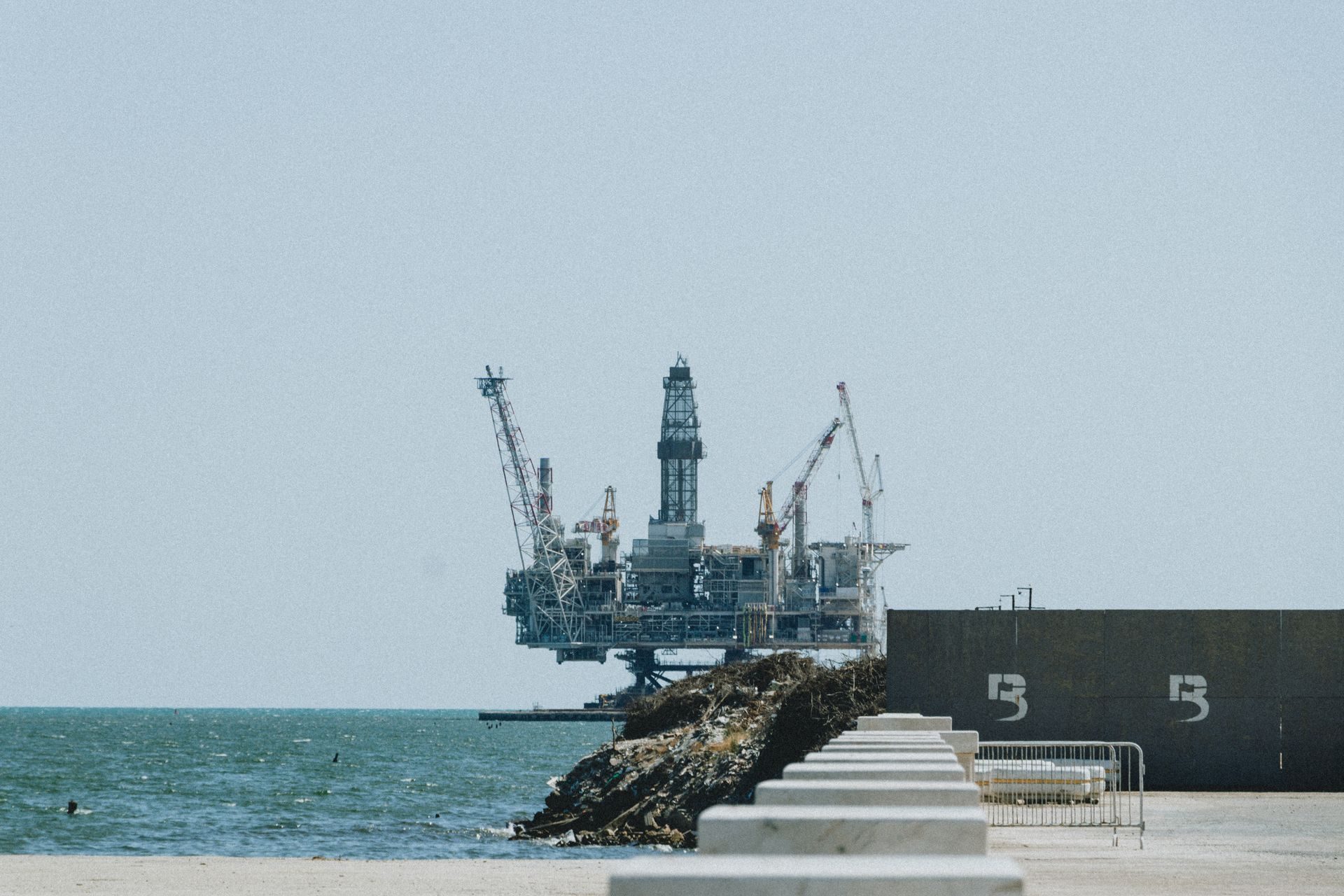
Oil prices traded within a narrow range during Asian trading on Monday, following a sharp sell-off across broader financial markets amid growing concerns about the artificial intelligence (AI) sector's ability to boost economic growth. However, continued attacks on Gulf shipping limited further losses.
By 4:00 pm AEDT (5:00 am GMT), Brent crude futures were up just 2 cents, or 0.02%, to US$92.59 per barrel, while US West Texas Intermediate (WTI) crude futures were up 9 cents, or 0.1%, to $83.50 per barrel.
Last week, Brent and WTI futures settled 4% and 5% lower, respectively.
ANZ analysts commented in a note to clients:
"Iran’s attacks on oil tankers transiting the Strait of Hormuz are getting more intense. The number of attacks increased in October and have continued at a higher tempo this month according to Bloomberg data. Yemen’s Houthi militant group have also ramped up attacks on Saudi Arabia. A tower in Riyadh’s financial district that houses Saudi Arabia’s Public Investment Fund was hit late last week amid almost daily attacks across the capital. This is raising expectations that the US will launch another round of strikes against Iran.
"Those concerns will only get greater this week after Trump warned over the weekend that he is inclined to launch another offensive against Iran if a deal is not reached by the new year."
Nevertheless, continued fighting in the unresolved US-Israeli war against Iran has helped limit oil's losses. On Sunday, the Iran-aligned Houthi movement claimed it had attacked a Saudi Arabian oil refinery, while multiple attacks on shipping in the Gulf and near the Strait of Hormuz were reported over the weekend.
Meanwhile, talks at the COP31 global climate summit collapsed on Sunday for the first time since 2009, according to Reuters, after participating nations failed to reach an agreement on including a statement about phasing out fossil fuels in the final text.
Saudi Arabia and other major oil-producing countries have argued that fossil fuels will remain an important part of the global economy for the foreseeable future and lobbied to exclude any reference to them from the final text, according to observers at the summit.
OPEC had earlier defended fossil fuel use at the summit.
More from Oliver Gray



Original on Media.com
Verified Individual
Verification helps establish who is behind a profile. It does not mean Media.com has verified the accuracy of everything they publish.



Comments
Sign in to join the discussion.
Sign in