

Article
EMS Pelvic Floor Toning Shorts: How to Train More Effectively
Why Are More Women Looking for Targeted Pelvic Floor Training? Pelvic floor training is becoming an increasingly important part of women’s fitness and wellness routines. However, traditional exercises are not…
Why Are More Women Looking for Targeted Pelvic Floor Training?
Pelvic floor training is becoming an increasingly important part of women’s fitness and wellness routines. However, traditional exercises are not always easy to perform correctly. For example, many women know about pelvic floor exercises but may struggle to identify the right muscles, maintain consistent contractions, or build a regular training routine.
At the same time, modern fitness users are looking for solutions that are more convenient, targeted, and easier to integrate into daily life. This is where electrical muscle stimulation technology can provide another training option.
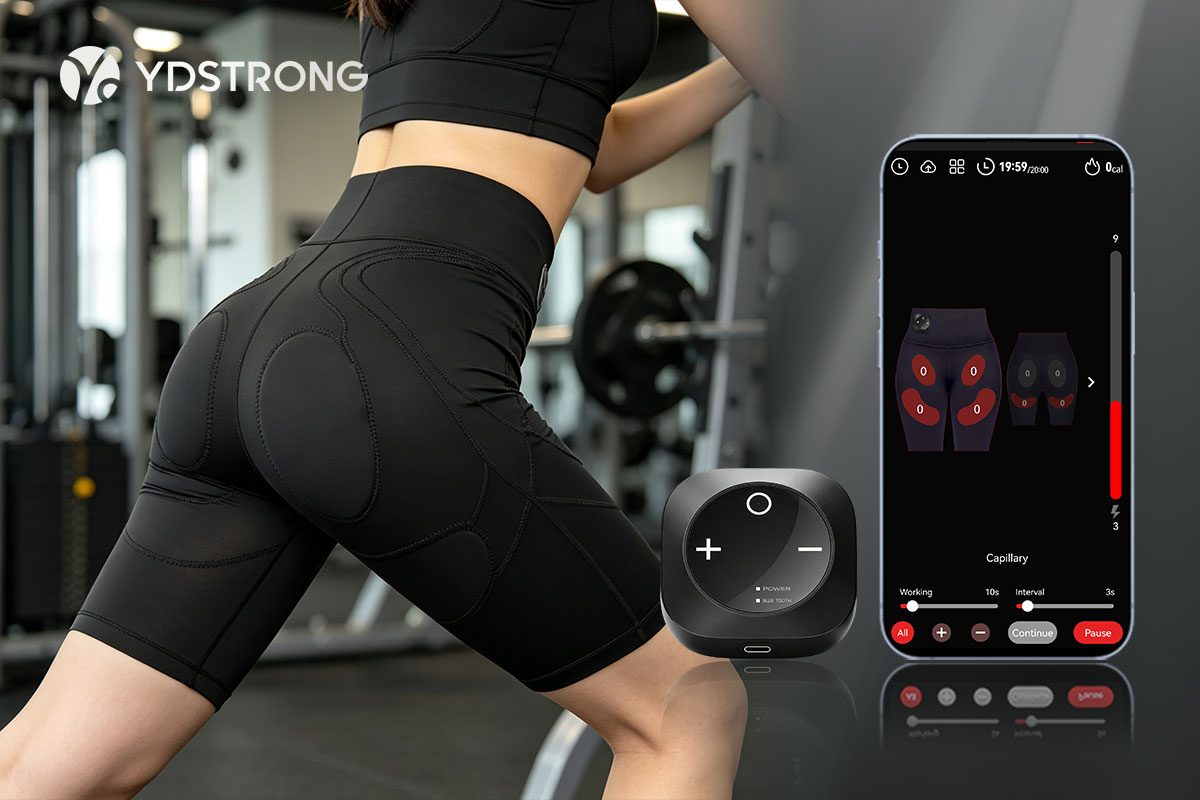
Our EMS Pelvic Floor Toning Shorts are designed specifically for women who want to combine wearable technology with targeted lower-body and pelvic-area muscle training. Instead of relying on a single stimulation area, the shorts use three pulse channels and eight strategically positioned electrodes to cover the pelvic floor, thighs, and gluteal areas.
Moreover, the system combines EMS and EMA technology, multiple frequency options, a four-layer silver fiber fabric electrode system, and wireless APP control. Users can select either Basic or Advanced programs according to their training needs.
So, how does this type of wearable EMS solution work? And what should women consider before choosing pelvic floor stimulation shorts? This guide explains the technology, electrode layout, training functions, and practical applications in detail.
What Are EMS Pelvic Floor Toning Shorts?
EMS Pelvic Floor Toning Shorts are wearable training shorts designed to deliver electrical stimulation to selected muscle groups around the pelvic and lower-body areas.
Unlike conventional workout equipment, the stimulation components are integrated into the garment. Therefore, users can wear the shorts while performing light exercise or during suitable daily activities, following the manufacturer’s instructions. The product is designed as a non-invasive external muscle activation solution, with no water required for the electrode system.
The YDSTRONG design uses:
3 independent pulse channels
8 composite silver fiber fabric electrodes
Pelvic floor, thigh, and glute electrode coverage
EMS + EMA dual technology
Low, intermediate, and variable-frequency pulses
Constant-current system design
Wireless management system
Basic and Advanced APP programs
As a result, the shorts are not simply designed as ordinary fitness clothing. Instead, they combine a wearable garment with a controllable electrical stimulation system.
How Do Three-Channel EMS Pelvic Floor Shorts Work?
The basic principle is straightforward. Electrical pulses are delivered through electrodes positioned on selected muscle areas. These pulses are intended to create controlled muscle contractions.
However, electrode placement is particularly important for targeted training.
Our YDSTRONG EMS shorts use eight electrodes distributed across the front and back of the garment. The product design provides coverage for the pelvic zone, thighs, and glutes.
Three Pulse Channels for Targeted Stimulation
Three pulse channels allow different electrode areas to be managed as separate stimulation zones.
This approach can provide more flexibility than a single-channel design. For example, a training program can be configured around the pelvic area while also involving the surrounding lower-body muscle groups.
Furthermore, the three-channel structure makes the product suitable for different training scenarios. Users may focus on pelvic floor activation, lower-body training, or a combination of targeted areas depending on the selected program.
The goal is not to replace active exercise. Instead, EMS can be used as an additional training method alongside appropriate movement and exercise.
Why Does Electrode Placement Matter?
For wearable EMS products, the position and construction of the electrodes directly affect how the system interacts with the body.
In the YDSTRONG design, the eight electrodes are positioned across the front and rear sections of the shorts. The front section includes electrodes around the lower pelvic and upper-thigh areas, while the rear section includes larger electrode areas around the gluteal and upper-thigh regions.
This arrangement creates broader coverage around the target muscle groups.
More importantly, the electrode system is made from four-layer silver fiber fabric. According to the product specifications, this construction is designed to provide a durable electrode solution while maintaining a stretchable, wearable form.
Four-Layer Silver Fiber Fabric Electrode
Traditional electrode components can sometimes make wearable stimulation products feel rigid or bulky. In contrast, fabric-based electrodes can be integrated directly into the garment.
The YDSTRONG system uses a Four-Layer Silver Fiber Fabric Electrode construction. This allows the electrode system to remain part of the shorts instead of becoming a separate accessory.
Additionally, the product uses patented high-tensile conductive cables combined with a stretch-breathable fit. As a result, the garment is designed to adapt to different body shapes while maintaining the integrated electrical structure.
What Is the Role of EMS and EMA Technology?
EMS stands for Electrical Muscle Stimulation. It uses electrical pulses to stimulate muscles externally.
EMA, meanwhile, refers to a related electrical muscle activation approach. In this product, EMS and EMA technologies are combined as a dual-technology system designed to provide deeper stimulation to targeted muscle groups.
Why combine the two?
The answer is flexibility. Different muscle groups and training scenarios may require different stimulation settings. Therefore, combining the technologies gives the system more options for configuring stimulation programs.
However, it is important to understand the role of the technology realistically. EMS should be viewed as a complement to a structured fitness or wellness routine, rather than a replacement for normal movement, strength training, or professional medical care.
How Do Frequency Options Affect the Training Experience?
Another important feature is the use of low, intermediate, and variable-frequency pulses.
Frequency refers to how frequently electrical pulses are delivered during stimulation. Different settings can create different stimulation sensations and contraction patterns.
For this reason, having multiple frequency options can make a wearable EMS system more adaptable.
For example:
Lower-frequency settings can be used for gentler stimulation experiences.
Intermediate-frequency settings can provide another option for muscle activation.
Variable-frequency programs can introduce changes during a training session.
The appropriate setting depends on the product program, individual tolerance, training purpose, and manufacturer’s instructions.
Consequently, a multi-frequency system can offer more flexibility than a fixed-frequency device.
How Does the APP Make Pelvic Floor Training Easier?
Technology is useful only when it is easy to control. Therefore, the YDSTRONG system includes a wireless EMS management system with Basic and Advanced programs.
Basic Program
The Basic program is suitable for users who prefer a straightforward training experience.
Instead of manually adjusting multiple parameters, users can select an appropriate basic program and follow the recommended settings.
This can be especially useful for people who are new to wearable EMS training.
Advanced Program
For more experienced users or professional applications, the Advanced program provides greater flexibility.
Depending on the available program settings, users can adjust their training approach according to the desired stimulation experience and training routine.
As a result, the same wearable platform can support both relatively simple personal use and more customized training scenarios.
Can EMS Pelvic Floor Shorts Be Used During Exercise?
Yes, the product is designed to be worn during daily activities or light exercise, according to the manufacturer’s product information.
This creates several possible applications.
Home Fitness
For home users, the shorts can be incorporated into a regular wellness routine without requiring bulky gym equipment.
For example, a user could combine suitable EMS sessions with stretching, mobility exercises, or light lower-body workouts.
Fitness and Personal Training
Trainers can also consider wearable EMS technology as an additional tool within a structured training program.
Instead of treating EMS as the entire workout, a trainer can combine stimulation with controlled movement and exercise. This approach makes it easier to position EMS as part of a broader fitness strategy.
Women’s Wellness Programs
The product’s targeted electrode arrangement also creates potential applications for women’s wellness-focused programs.
For businesses, this can provide an opportunity to develop services specifically around pelvic floor training, lower-body conditioning, and wearable EMS technology.
Nevertheless, users should always follow the manufacturer’s instructions and seek appropriate professional advice when dealing with medical, postpartum, or other health-related conditions.
What Should You Consider When Choosing Pelvic Floor EMS Shorts?
Not every wearable EMS product uses the same structure. Therefore, several factors are worth checking before making a decision.
1. Electrode Coverage
First, check where the electrodes are positioned.
For pelvic floor-focused products, electrode placement should correspond to the intended training areas. A broader lower-body layout may also provide stimulation around the thighs and glutes.
2. Number of Channels
Next, consider the number of pulse channels.
A three-channel EMS system can provide more targeted control than a basic single-channel structure. However, channel count should always be considered together with electrode placement and software control.
3. Electrode Material
The electrode material also matters.
A silver fiber fabric electrode system can be integrated into the garment while maintaining a flexible wearable structure. In the YDSTRONG product, the four-layer construction is designed for durability and daily wearable use.
4. Frequency Options
Furthermore, look for a system with suitable frequency options.
Low, intermediate, and variable-frequency settings can give users more flexibility when creating different training programs.
5. Program Management
Finally, consider how the stimulation system is controlled.
A wireless management system with Basic and Advanced programs can make the product easier to operate while also providing additional flexibility for experienced users.
A Practical Example: Building a Women’s Lower-Body EMS Routine
Consider a woman who wants to add pelvic floor-focused stimulation to her existing fitness routine.
First, she puts on the EMS shorts according to the manufacturer’s instructions.
Next, she selects an appropriate Basic program and begins with a comfortable intensity. She can then combine the session with light movement, mobility work, or another suitable exercise routine.
After becoming familiar with the system, she may explore the Advanced program where appropriate.
Most importantly, the training process should remain gradual. Comfort and correct use should come before intensity.
This example also demonstrates why wearable EMS technology can be useful. The technology does not need to become the entire workout. Instead, it can become one component of a broader and more consistent training routine.
Why Are EMS Pelvic Floor Toning Shorts a New Opportunity for EMS Brands?
From a product-development perspective, targeted EMS garments can also expand the application range of an EMS product portfolio.
Traditional full-body EMS suits are commonly associated with fitness studios, personal training, and full-body muscle stimulation. However, targeted garments can address more specific user requirements.
For example, a three-channel women’s shorts platform can support product categories around:
Pelvic floor-focused training
Lower-body fitness
Glute and thigh training
Women’s wellness programs
Home EMS training
Personal training services
Therefore, EMS brands, distributors, and fitness businesses can consider targeted wearable products as an additional category rather than replacing full-body EMS solutions.
The combination of three channels, eight electrodes, silver fiber fabric electrodes, EMS + EMA technology, multi-frequency stimulation, and APP-based control gives manufacturers more flexibility when developing women’s EMS training solutions.
Conclusion: A More Targeted Approach to Women’s EMS Training
Pelvic floor training is becoming an important part of modern women’s fitness and wellness. However, users increasingly expect training products to be convenient, wearable, and easy to integrate into everyday routines.
EMS Pelvic Floor Toning Shorts provide one approach by combining targeted electrode placement with wearable garment technology.
The YDSTRONG design features three pulse channels and eight electrodes, covering the pelvic floor, thighs, and glutes. In addition, the four-layer silver fiber fabric electrode system helps integrate the stimulation components directly into the shorts. The system also combines EMS and EMA technology with low, intermediate, and variable-frequency stimulation.
Moreover, the wireless management system offers Basic and Advanced programs, giving users different ways to approach their training.
For women, this means a wearable solution that can be incorporated into suitable fitness and wellness routines. For EMS businesses, meanwhile, it represents an opportunity to develop more targeted products for the growing women’s fitness market.
If you are looking for a women’s pelvic floor EMS solution for personal use, fitness services, or product development, explore the YDSTRONG Female EMS Pelvic Floor Toning Shorts and contact our team to discuss your application or OEM/ODM requirements.
More from adam.xu




Comments
Sign in to join the discussion.
Sign in