

Article
EMS Pulse Width Explained: Understanding 100–1000μs in EMS Training
EMS pulse width is an important parameter that determines the duration of each electrical pulse delivered during muscle stimulation. This guide explains what EMS pulse width means, how 100–1000μs settings work, and how pulse width differs from frequency and intensity. Learn how adjustable pulse…
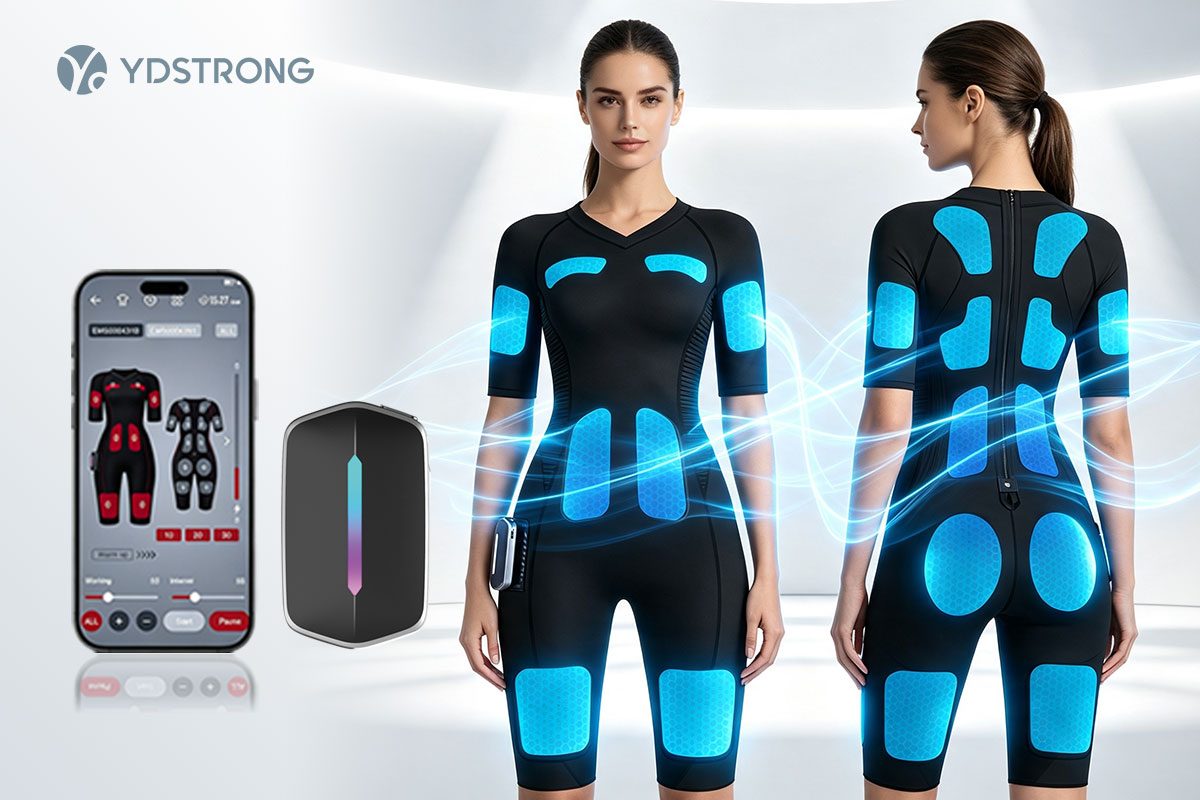
When choosing a professional EMS system, you may come across technical specifications such as frequency (Hz), pulse width (μs), and intensity. Each parameter plays a different role in electrical muscle stimulation. While many people focus on frequency and intensity, pulse width also deserves attention.
So, what is EMS pulse width? What does a range of 100–1000μs mean? And how does it affect electrical stimulation during EMS training?
Understanding these parameters can help fitness professionals, EMS studio owners, and equipment buyers make informed decisions when selecting an EMS system.
What Is EMS Pulse Width?
EMS pulse width, also known as pulse duration, describes how long an individual electrical pulse lasts during stimulation. EMS devices typically measure pulse width in microseconds (μs).
One microsecond equals one-millionth of a second. To make this easier to understand, here are some common pulse width values:
100μs = 0.1 milliseconds
200μs = 0.2 milliseconds
400μs = 0.4 milliseconds
600μs = 0.6 milliseconds
1000μs = 1 millisecond
During EMS training, the device delivers electrical pulses through electrodes that contact the body. Pulse width determines the duration of each pulse. Meanwhile, frequency controls how often the device delivers pulses, and intensity controls the amplitude of the electrical stimulation.
In simple terms, pulse width tells you how long each electrical pulse lasts, not how often the device delivers it or how strong the stimulation feels. pulse, not how frequently the pulses occur or how strong the stimulation feels.
How Does EMS Pulse Width Affect Muscle Stimulation?
Pulse width is one of several parameters that influence how nerves and muscles respond to electrical stimulation.
When you change the pulse width, you change how long the electrical current flows during each pulse. However, the resulting stimulation also depends on the waveform, current amplitude, electrode contact, and individual response.
Here are three key points to consider.
1. Pulse Duration
A shorter pulse delivers electrical stimulation for a shorter period. In contrast, a longer pulse maintains the electrical stimulus for a longer period during each pulse.
This difference helps explain why pulse width matters when configuring an EMS system. However, pulse duration alone does not determine the overall stimulation effect.
2. Stimulation Response
The body’s response to electrical stimulation depends on several factors, including pulse width, current amplitude, frequency, electrode placement, and individual sensitivity.
For example, changing the pulse width may affect how a user responds to stimulation under certain device settings. However, a longer pulse does not automatically produce a better workout or a stronger muscle contraction.
Therefore, operators should consider pulse width alongside other parameters when configuring an EMS training session.
3. Comfort and Tolerance
Users may experience EMS stimulation differently, even when they use the same device settings. Pulse width can influence the sensation, but it is only one part of the overall experience.
Electrode contact, stimulation intensity, waveform, frequency, and individual sensitivity also affect comfort. For this reason, operators should avoid using pulse width alone to predict how comfortable a session will feel.
Overall, pulse width works together with other EMS parameters. Operators should consider the complete system configuration rather than treating pulse width as a standalone measure of performance.
What Does 100–1000μs Pulse Width Mean?
A pulse width range of 100–1000μs means that an EMS device allows operators to adjust the duration of each electrical pulse from 100 to 1000 microseconds.
This range provides different pulse duration settings for various stimulation configurations, depending on the device’s operating specifications and intended use.
With an adjustable range, operators can select different pulse durations within the device’s supported limits. However, the appropriate settings depend on the equipment, training protocol, user response, and professional guidance.
It’s also important to remember that a wider adjustment range does not guarantee better stimulation results. The overall system design, output control, electrode configuration, and operating procedures also matter.
EMS Pulse Width vs. EMS Frequency vs. Intensity
People sometimes confuse pulse width with frequency and intensity. Although these parameters work together, each one describes a different characteristic of electrical stimulation.
Pulse width determines how long each electrical pulse lasts. For example, a pulse width of 400μs means that each pulse lasts 0.4 milliseconds.
Frequency, on the other hand, determines how many pulses the device delivers per second. For instance, a frequency of 10Hz means the device delivers 10 pulses per second.
Intensity relates to the amplitude of the electrical stimulus. Depending on the EMS device, the system may display intensity in milliamps (mA) or as an adjustable level.
These parameters can interact during stimulation. For example, increasing frequency changes how often the device delivers pulses, while increasing pulse width changes how long each pulse lasts. Meanwhile, the waveform and output characteristics also influence the resulting stimulation.
For EMS studio operators and fitness professionals, understanding these differences helps them evaluate equipment specifications and follow appropriate training protocols.n selecting equipment and following an appropriate training protocol.
Why Is Adjustable Pulse Width Important in Professional EMS Systems?
Professional EMS systems often provide several adjustable parameters, including frequency, pulse width, and intensity. Together, these settings give trained operators more flexibility when configuring stimulation for different users and operating protocols.
Here are three important considerations for fitness studios and professional EMS equipment buyers.
1. Flexible Stimulation Settings
Different users may respond differently to electrical stimulation. Therefore, adjustable pulse width gives trained operators more options than a system with only one fixed pulse duration.
Operators can configure the pulse width within the device’s specified operating range and follow suitable protocols for the intended application. However, they should always consider user feedback and the manufacturer’s instructions when adjusting settings.
2. Greater Control Over EMS Parameters
Professional EMS systems may allow operators to adjust multiple parameters, such as frequency, pulse width, and intensity.
Having access to these controls helps operators follow established protocols and make appropriate adjustments based on user feedback. In addition, clear parameter controls can make it easier for professionals to manage training sessions and monitor system settings.
3. Adaptability for Different Training Protocols
Fitness studios and conditioning facilities may use EMS equipment in different supervised training environments. Adjustable pulse width provides another parameter that operators can consider when configuring a system for its intended use.
However, more adjustment options do not mean operators should automatically choose higher settings. They should follow the manufacturer’s instructions and applicable professional guidance to ensure appropriate operation.
What Should You Consider When Choosing an EMS System?
Pulse width is an important technical specification, but it should not be the only factor you consider when evaluating professional EMS equipment.
If you’re purchasing an EMS system for a gym, EMS studio, or fitness business, review the following features before making a decision:
Pulse width range: Check the available adjustment range and confirm that it meets your intended operating requirements.
Frequency range: Review the supported frequency settings and the training protocols that the device accommodates.
Intensity control: Understand how the system adjusts and controls stimulation intensity.
Channel configuration: Consider the number of independent channels and how they correspond to the electrode layout.
Electrode design: Evaluate electrode materials, contact consistency, garment construction, and maintenance requirements.
Control system: Look at how easily operators can adjust and monitor stimulation parameters.
Safety features: Review output limitations, emergency stop functions, user instructions, and the manufacturer’s safety documentation.
After-sales support: Consider technical assistance, training resources, warranty coverage, and the availability of replacement components.
For commercial applications, you should also consider how easily the EMS system fits into your existing training services and daily operations.
By reviewing the complete system rather than focusing on one specification, you can better understand whether the equipment meets your business and technical requirements.
YDSTRONG EMS System with 100–1000μs Pulse Width
YDSTRONG develops and manufactures EMS and EMA systems for professional and commercial applications, including EMS studios, gyms, and fitness businesses.
The YDSTRONG 10-channel EMS system supports an adjustable pulse width range of 100–1000μs and a frequency range of 4–200Hz.
These configurable parameters give professional operators flexibility when setting up EMS training sessions in line with the equipment’s specifications and appropriate operating protocols.
For businesses evaluating EMS equipment, it’s worth looking beyond individual technical specifications. The controller, electrode configuration, EMS garment design, software, and technical support all contribute to the overall system.
Explore the YDSTRONG 10-Channel EMS System to learn more about the available equipment and configurations.
Frequently Asked Questions
1. What is a normal EMS pulse width?
There is no single pulse width that is appropriate for every EMS application. Available settings and appropriate operating parameters depend on the device, its intended use, the stimulation waveform, and the user’s response. Always follow the manufacturer’s instructions and relevant professional guidance.
2. Is a higher EMS pulse width better?
Not necessarily. A higher pulse width means that each electrical pulse lasts longer, but it does not automatically lead to better training results or greater comfort.
Instead, consider pulse width together with intensity, frequency, waveform, electrode contact, and the intended training protocol.
3. What is the difference between pulse width and frequency?
Pulse width measures the duration of an individual electrical pulse in microseconds (μs), while frequency measures the number of pulses delivered per second in hertz (Hz).
In other words, pulse width describes how long each pulse lasts, whereas frequency describes how often the device delivers pulses. Both parameters influence different aspects of electrical stimulation.
4. What does 100–1000μs mean on an EMS device?
A range of 100–1000μs means that the EMS device allows operators to adjust pulse duration from 100 to 1000 microseconds, or 0.1 to 1 millisecond, within its specified operating range.
This gives operators more options when configuring the system for its intended application.
5. Does pulse width affect EMS comfort?
Pulse width can influence the stimulation response and the sensation a user experiences. However, comfort also depends on intensity, waveform, frequency, electrode placement, skin contact, and individual sensitivity.
For this reason, operators should adjust settings carefully and stay within the manufacturer’s recommended limits.
Conclusion
EMS pulse width is an important technical parameter that defines how long each electrical pulse lasts. A range of 100–1000μs gives professional EMS systems adjustable pulse durations, which can provide greater flexibility when configuring stimulation.
However, pulse width should never be evaluated in isolation. Frequency, intensity, waveform, electrode design, and appropriate operating protocols all contribute to how an EMS system performs.
For EMS studio owners, fitness professionals, and equipment buyers, understanding these parameters can help them assess technical specifications and select equipment that meets their business requirements.
Looking for a professional EMS system for your business? Explore YDSTRONG’s EMS equipment range or contact our team to discuss your requirements.
More from adam.xu




Comments
Sign in to join the discussion.
Sign in